Disconnecting a car battery might sound intimidating—especially if you’ve never done it before—but don’t worry. You’re not alone, and the process is actually simple, safe, and beginner-friendly when you follow the right steps. ❤️
Whether you’re doing maintenance, replacing parts, storing your car, or resetting the car’s computer, this guide will walk you through exactly how to disconnect a car battery the right way.
Why You Might Need to Disconnect a Car Battery
People disconnect their car batteries for many reasons, including:
- Performing vehicle maintenance or repairs
- Replacing the battery
- Resetting the car computer (ECU)
- Preventing battery drain during long-term storage
- Working safely on electrical components
- Avoiding accidental short circuits
No matter your reason, safety always comes first.
Tools Needed to Disconnect a Car Battery
Before you begin, gather these basic tools:
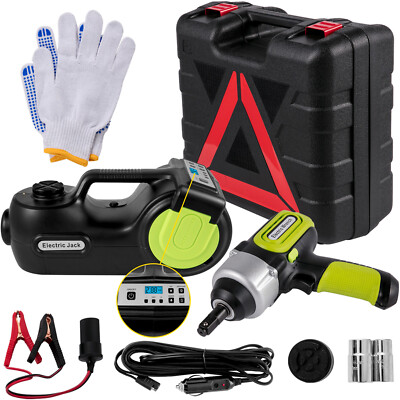
- Wrench or socket set (usually 8mm–10mm)
- Safety gloves (recommended)
- Safety glasses (optional but smart)
- Battery terminal puller (optional)
- Memory saver device (optional for modern cars)
💡 Most cars only require one basic wrench.


Safety Precautions Before You Start
Take a moment to follow these important safety tips:
- Turn off the engine completely
- Remove the key from the ignition
- Engage the parking brake
- Work in a well-ventilated area
- Avoid metal jewelry (rings, watches)
- Never let tools touch both terminals at once
These steps reduce the risk of sparks, short circuits, or injury.
Which Battery Terminal to Disconnect First?
This is one of the most common questions—and the answer matters.
We also covered How Long Do Car Batteries Last?
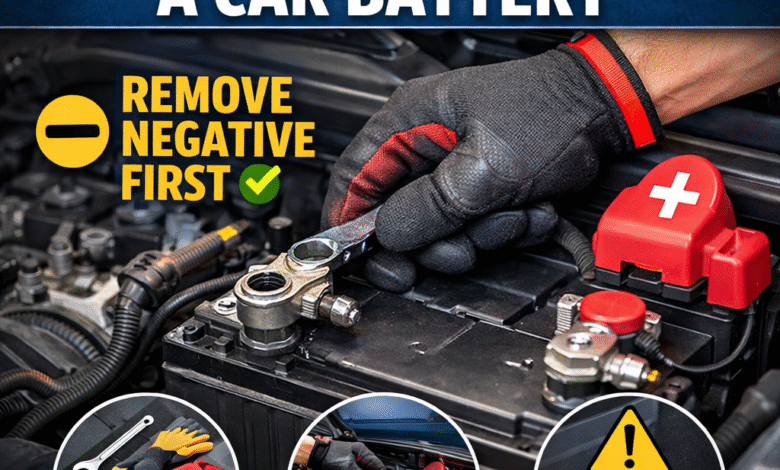
✅ Always disconnect the negative (–) terminal first
Why?
- The negative terminal is connected to the car’s chassis
- Disconnecting it first prevents accidental short circuits
- It greatly reduces the risk of sparks or electrical damage
🔁 Reconnecting?
Always reconnect the positive (+) terminal first, then the negative.
Step-by-Step: How to Properly Disconnect a Car Battery
Follow these simple steps:


Step 1: Locate the Battery
- Usually under the hood
- Some modern cars place it in the trunk or under a seat
Step 2: Identify Terminals
- Negative (–): Black cable, minus sign
- Positive (+): Red cable, plus sign
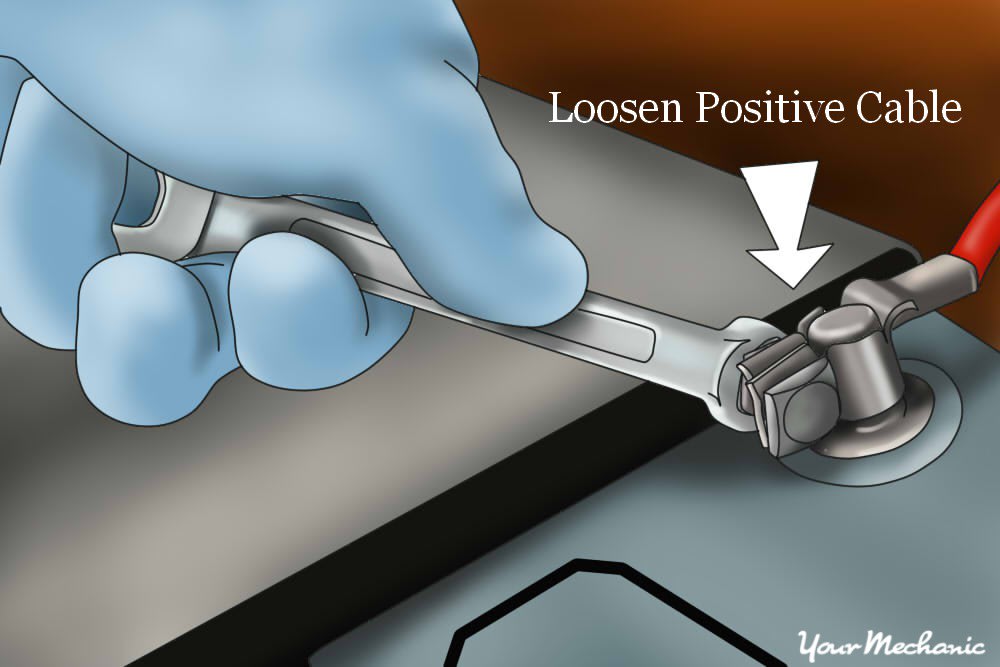
Step 3: Loosen the Negative Terminal
- Use a wrench to loosen the nut
- Gently wiggle the cable off
- Tuck it away so it doesn’t touch metal
Step 4: (Optional) Disconnect the Positive Terminal
- Only needed if removing the battery completely
Step 5: Remove the Battery (If Needed)
- Batteries are heavy—lift carefully
- Keep it upright to avoid leaks
Disconnecting a Car Battery for Storage or Maintenance
If you’re storing your car for weeks or months:
- Disconnect only the negative terminal
- This prevents slow battery drain
- Store the car in a cool, dry place
For maintenance or repairs, always disconnect the battery before working on:
- Alternator
- Starter motor
- Fuse box
- Electrical wiring
How Long to Disconnect a Car Battery to Reset the ECU?
If your goal is to reset the car computer:
| Reset Purpose | Disconnect Time |
|---|---|
| Minor reset | 10–15 minutes |
| Full ECU reset | 30–60 minutes |
| Persistent issues | Up to 1 hour |
⚠️ Some modern vehicles require professional scan tools to fully reset systems.
Disconnecting Car Battery Without Losing Settings
Modern cars may lose:
- Clock & radio presets
- Seat & mirror memory
- Infotainment settings
How to avoid this:
- Use a memory saver device
- Plug it into the OBD-II port or cigarette lighter
This keeps low-voltage power flowing while the battery is disconnected.
Modern & Hybrid Car Battery Disconnect Tips
| Vehicle Type | Special Considerations |
|---|---|
| Modern cars | Use memory saver |
| Start-stop systems | Wait 5–10 minutes after engine off |
| Hybrid vehicles | High-voltage battery ⚠️ |
| EVs | Professional service recommended |
🚨 Hybrid and electric vehicles have high-voltage systems. Never disconnect orange cables or HV batteries yourself.
Common Mistakes to Avoid
- ❌ Disconnecting positive first
- ❌ Touching both terminals with tools
- ❌ Skipping safety gloves
- ❌ Forgetting battery codes
- ❌ Working with engine running
Avoid these, and you’ll stay safe.
FAQs (Includes Affiliate Recommendation)
❓ Is it safe to disconnect a car battery yourself?
Yes, as long as you follow the correct steps and disconnect the negative terminal first.
❓ Can disconnecting a battery damage my car?
No—when done properly, it’s completely safe.
❓ What tool do I really need?
A simple wrench is usually enough. A compact automotive tool kit can make things easier.
👉 Recommended tool kit:
🔧 Check this affordable car battery tool set on Amazon:
❓ Do I need to disconnect the battery before repairs?
Yes—especially for electrical or engine work.
FTC Affiliate Disclosure
Disclosure: This article contains affiliate links. If you click and make a purchase, we may earn a small commission at no extra cost to you. This helps support our content and keeps guides like this free. Thank you for your support ❤️
Final Thoughts
Disconnecting a car battery doesn’t require advanced mechanical skills—just patience, the right order, and basic safety awareness. Once you’ve done it once, you’ll feel confident doing it again.